How Much is a Wire Fence?

When considering installing a wire fence, one of the first questions that comes to mind is the cost. The answer, however, is not straightforward. The cost of a wire fence can vary significantly depending on several factors. In this post, we will explore these factors and provide some insights into what you can expect when budgeting for your wire fence project.
Factors Affecting Wire Fence Costs
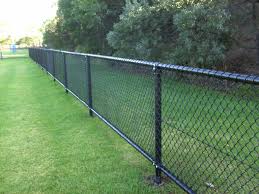
Here are some of the factors that can affect the cost of wire fences.
Type of Wire
- Plain Wire: Typically the cheapest option, suitable for general boundary fencing. This is often used in rural and agricultural settings due to its affordability and ease of installation.
- Barbed Wire: More expensive due to the additional material and manufacturing process, ideal for security fencing. Barbed wire is effective for deterring unauthorised access and is commonly used in livestock management to prevent animals from escaping.
- High Tensile Wire: Costs more due to its strength and durability, making it suitable for containing large or aggressive livestock. High tensile wire can withstand significant pressure without breaking, making it a preferred choice for farm fencing.
- Coated Wire: Higher price for enhanced longevity and reduced maintenance. Coated wires are less prone to rust and corrosion, offering a longer lifespan compared to uncoated options.
Fence Height and Length
The taller and longer the fence, the more materials you will need, increasing the overall cost. For example, fencing an acre with a four-strand plain wire can range from $225 to $1,300. The specific requirements for your project will influence the total expenditure, with larger perimeters necessitating more materials and labour.
Installation Complexity
- Terrain: Uneven or rocky ground can make installation more challenging and time-consuming. The presence of obstacles such as trees, large rocks, or steep slopes can increase labour costs due to the additional effort required to install the fence.
- Access: Difficult-to-reach areas may require special equipment or additional labour, further impacting the overall cost. Remote locations or properties with limited access routes can complicate the delivery of materials and equipment, adding to the expense.
Labour Costs
- Hiring a professional installer typically costs between $60 and $120 per metre, depending on the complexity and location. The expertise and efficiency of fencing contractors ensure that the fence is installed correctly and securely, reducing the likelihood of future repairs.
- DIY installation can save money but requires time, effort, and some expertise. While taking on a DIY project can be cost-effective, it is important to consider the potential challenges and ensure you have the necessary skills and tools.
Additional Features
- Gates: Adding a gate increases the cost. A standard 4-foot gate might cost around $60, while a 6-foot gate could be $100. Gates provide essential access points for pedestrians and vehicles, enhancing the functionality of your fence.
- End Assemblies and Strainer Posts: Essential for stability, these components add to the overall expense. Strainer posts are critical for maintaining tension in the wire, ensuring the fence remains taut and effective.
Cost Estimates for Different Types of Wire Fencing

To provide a clearer picture of the potential costs, we’ve compiled cost estimates based on some jobs we’ve completed in the past. These estimates can help you understand what to expect when budgeting for different types of wire fencing.
Post and Wire Fencing
The cost of post and wire fencing can vary, but here are some general estimates:
- Per Metre Cost: For rural fencing with posts 20 metres apart, prices may range from $27 to $60 per metre, including the cost of barbed wire and filters.
- Overall Cost: Installing barbed wire fencing can range from $1,700 to $3,500.
- Post and Rail Fence with Wire Mesh: Expect to pay about $3,000 or more for a substantial installation.
For those considering steel fencing, this material offers exceptional strength and durability, making it suitable for both residential and commercial applications. The initial investment in steel fencing can be higher, but its longevity and low maintenance requirements provide excellent value over time.
Rural Fencing Costs
Rural fencing can be surprisingly inexpensive. Here are some typical prices for 100 metres of wire with posts every 4 metres (supply only):
- Cattle Fencing: $495
- Sheep and Cattle Fencing: $715
- Horse Fencing: $1,500
Installation costs are additional. A single installer might charge around $66 per hour. When planning to build a farm or rural fence, it’s important to work out what materials you will need and the cost of erecting the fence. This includes items such as end assemblies, strainer posts, stays, associated caps and hardware, star posts (star pickets), steel maxy posts, line posts, and various types of wire (plain, barbed, knotted, hinge joint, netting, or any other prefabricated fencing wire).
Finding Affordable Fencing Solutions
To keep costs down, consider:
- Recycled Materials: Look for pallets, wood scraps, or discarded building materials that can be repurposed. Recycled materials are not only cost-effective but also environmentally friendly, reducing waste and promoting sustainability.
- Local Contractors: Obtain multiple quotes to find the best deal and ensure accurate pricing. Local fencing contractors can provide insights into the best materials and designs suited to your area, offering personalised solutions.
Installation Tips

Proper installation of your wire fence is crucial to ensure its effectiveness, durability, and longevity. Here are some comprehensive tips to guide you through the process:
Plan Your Fence
- Determine Post Locations: Begin by planning where your strainer posts will need to go. These are critical support points that keep the fence tight and upright. Start with the corners and gate locations, as these are the most important structural points. Strainer posts are usually installed at corners, ends, and any points where the fence changes direction.
- Measure and Mark: Use a measuring tape and stakes to mark the exact locations for all posts, ensuring they are evenly spaced. This will help maintain uniform tension along the fence and avoid sagging.
- Consider Terrain: Account for variations in terrain. On uneven ground, posts may need to be placed closer together to provide additional support. For hilly areas, you might need to step the fence to accommodate the slope.
Use Metal Posts
- Select the Right Posts: Metal T-posts are a popular choice due to their reliability and cost-effectiveness. They are sturdy, durable, and easy to install. T-posts do not require concrete, making the installation process quicker and less labor-intensive.
- Install the Posts: Drive the T-posts into the ground using a post driver. Ensure they are deep enough to provide stability (typically around 600mm to 900mm deep, depending on the fence height and soil type). The posts should be straight and firmly anchored.
- Spacing: Space the posts evenly, generally 3 to 5 metres apart. Closer spacing can provide additional support, especially in areas with high wind or soft soil.
Secure the Wire
- Attach the Wire: Start at one end of the fence line and unroll the wire to the first strainer post. Use metal clips or wire ties to attach the wire to the posts. These clips should be placed at regular intervals along each post to ensure the wire remains tight and secure.
- Tensioning the Wire: Proper tensioning is crucial for the fence’s effectiveness and longevity. Use a wire stretcher or come-along tool to pull the wire tight. Begin at one end and work your way to the other, tightening the wire as you go. The wire should be taut but not overly tight, as excessive tension can cause it to break.
- Secure Each Section: Once the wire is tensioned, secure it firmly to each post using additional clips or ties. Pay extra attention to the strainer posts, as these bear the most tension.
- Check for Sagging: Regularly inspect the fence for any sagging or loose sections. If any are found, re-tighten the wire and add additional clips if necessary.
Additional Tips
- Use Quality Materials: Invest in high-quality wire and posts. While they might be more expensive upfront, they will save you money in the long run by reducing maintenance and replacement costs.
- Protect Against Corrosion: Choose coated or galvanized wire to protect against rust and corrosion, especially if the fence will be exposed to the elements.
- Regular Maintenance: Regularly inspect your fence for any signs of damage or wear. Prompt repairs will extend the life of your fence and maintain its effectiveness.
By following these installation tips, you can ensure that your wire fence is sturdy, secure, and long-lasting. Proper planning and careful execution of each step will result in a fence that serves its purpose effectively, whether for security, boundary marking, or livestock containment.
Additional Fencing Solutions and Cost Considerations
When evaluating the cost of installing a wire fence, it’s useful to explore other fencing options and related considerations that may align with your needs. Here are some resources that can provide further guidance:
- If your project involves constructing a fence on a retaining wall, our guide on building a fence on a retaining wall offers practical advice and tips.
- For those considering Colorbond fencing, our installation guide can help you understand the process and potential costs involved.
- To maintain good relations with neighbours, exploring good neighbour fencing options might be beneficial.
- Adding automatic gates to your property? We have detailed information on how much it costs to install automatic electric gates.
- For specific cost insights, such as timber fencing expenses in Hobart or general timber fencing costs, our dedicated pages provide comprehensive details.
- If you’re a DIY enthusiast, our step-by-step guide on building a timber paling fence can be particularly useful.
- Wire fencing is one of the most affordable fencing solutions, making it a popular choice for rural properties and temporary enclosures. However, for long-term durability and enhanced security, consider Colorbond fence panels as a stylish and sturdy alternative.
These additional resources can help you make well-informed decisions about your fencing project.
Conclusion
The cost of installing a wire fence depends on numerous variables, from the type of wire used to the length and height of the fence, as well as labour and installation complexity. By understanding these factors, you can make informed decisions and find a fencing solution that fits your budget and needs. Consulting with fencing contractors can provide detailed quotes and professional insights to ensure your project is successful.
For more information on various fencing options and services, explore our comprehensive range of fencing services. From fence repair to fence installation and fence maintenance, our team of experts is here to assist you with all your fencing needs.
If you are looking for specific fencing solutions, check out the various fence types we offer, including timber fencing, steel fencing, and Colorbond fencing. Choosing the right fence depends on your priorities, whether it’s affordability, privacy, or durability. If you’re looking for a more robust and stylish alternative, explore privacy fence panels for better security and visual appeal. Each type has its own benefits and cost considerations, which can help you choose the best option for your property.
Additionally, we provide services in various regions across Australia, including Melbourne, Sydney, Brisbane, Adelaide, Hobart, and the Gold Coast. Our local contractors can provide personalised service and detailed quotes tailored to your specific location and requirements.
For more information or to get a quote, contact us. Our team of experienced professionals is ready to help you with all your fencing needs, ensuring you get the best value and quality for your investment.
Get a Quote Now!
Recent Post
- Products Table
- Front Fence Ideas: Transform Your Home's Street Appeal
- Everything You Need to Know About Colorbond Fencing and Rust
- Colorbond Fencing Profiles: Discover the Diverse Profiles of Colorbond Fencing
- Innovative Privacy Fence Ideas for Backyards
- How To Clean Glass Pool Fence
- Do You Need A Fence Around A Spa
- Do Above Ground Pools Need A Fence
- Neighbour's Permission for Fence Extension: What You Need
- Creative Do It Yourself Fence Ideas for Your Home


Post A Comment